On International Women’s Day, we sat down with the Kineara team to look at the progress on gender equality, some of the challenges facing young women today, and what this year’s #EachforEqual theme means to us. As a team of diverse women with different backgrounds, specialities and passions, we’re proud to turn our attention to #IWD2020, celebrate the achievements of women in our communities and around the world, while raising awareness of what still needs to be done!
What does the International Women’sDay slogan, #EachforEqual mean for you?
Mel: To me, it’s about everyone doing their bit to achieve equality. It also reminds me that equality for women is about inclusivity, diversity, and an understanding that women do not have a singular identity. In addition to being gendered in society, we are also classed, racialised, divided by sexuality or immigration status – so #EachforEqual for me is also about social equity for all.
Gail: For me it means being strong as an individual and supporting individuals to see their full potential, empowering inspiring and celebrating the differences we have, and the strength with have because of our differences.
Sandra: I think for equality to be truly meaningful, everyone must be taking part and working towards the same goals. To me the issue it is not about women being victims in a society that is not inclusive in the same way that minorities struggle to have equality; instead it is about changing our mindset to fully take advantage of the opportunities that are there, as well as challenging social norms and the language that we are using. Women and men are not the same, but their traits and qualities should be valued equally.
Liz: EachForEqual: to me this is a great reminder for each one of us doing what we can to enable equality and break the chain of inequality and oppression. As a woman, this could start with enabling equality by standing up for myself and speaking up in situations where equality is threatened. ALL inequality is interlinked, so if we each take steps to address inequality for ALL we will build a better world for ALL.
Tam: For me, #EachForEqual is about collective action, diverse and reflective representation in all fields and spheres of life, and of course, social, economic and political equality and equity for all around the world.
Tell us about your interests/passions and how this complements your work at Kineara?
Mel: I am Kineara’s communication lead, so I get the pleasure of sharing the work of our brilliant practitioners to the world. My role means I get to touch base with all the women in our organisation, who I am always inspired by. With a background in social justice initiatives, one thing that drives me is seeing leaders who don’t traditionally take up these roles, including women and black minority ethnic people, building capacity, power and their voice in the non-profit sector, and I am proud Kineara is an organisation that provides space for that.
Sandra: I work as a support worker in housing on our project in Bexley. I am passionate about housing as a human right and not a commodity. Although the housing market is a global problem, working with individuals locally on a daily basis to improve their housing situation helps to improve their wellbeing and contribute to collective change.
Liz: I support the system, monitoring and evaluation within Kineara. Most of my work currently centres around within our housing project. I am passionate about social equality and I’m therefore driven to advocating and supporting people in their time of need. This passion extends to the activities I partake in both in and outside of work.
Tam: As Kineara’s communications officer I work closely with Mel, our comms lead, to scope and deliver internal and external communications for Kineara. This includes supporting strategic planning and research, copywriting, producing innovative content, writing blogs/articles and managing social media. My passions include working within and strengthening communities, exploring creative arts, social justice and women’s empowerment, so I feel there is a clear synergy with Kineara’s mission and core values!
What do you think are some of the biggest challenges facing young girls and women today?
Mel: Women face many different pressures and challenges today, but one thing that has been on my mind recently is the disproportionate (and discriminatory) impact that cuts to public services and benefits has had on women, and in particular minority women. Given women are more dependent on public services and benefits and are more likely to be employed in the public sector, the reductions in funding, jobs losses and welfare have increased financial insecurity for women in the UK.
Liz: Women living in an intentionally built patriarchal society that systematically sees women as not equal to men, has led to many women feeling unsafe, lacking self-esteem and being oppressed. Ultimately this societal norm can affect the way families view women, as well as how women are treated and viewed within the school and work system. It is important to undo this societal learning through empowering and supporting one another to speaking openly about the issue’s people may face, even when this may involve hard and painful experiences for some, we are paving the way for a better more equal world for all.
Tam: Young girls and women face a variety of challenges from pressures of social media, mental health and wellbeing challenges, as well as socioeconomic challenges including a rise in poverty/homelessness, cuts to public services and unemployment levels. One challenge I’ve witnessed first-hand in my community of Ladbroke Grove is the socioeconomic divide – the entirely preventable Grenfell Tower tragedy is one example of this. That said, together we’re a strong and resilient community.
What advice would you give to young girls and women based on your own experience?
Mel: My advice to young women is to always stay true to who you are. Young women – all women, in fact – can feel pressure to be what society expects them to be, but don’t fall into that trap! You’ll just find that society will just move the goal posts if you try to fit in so make your own rules, find your voice and be proud of who you are.
Liz: Be yourself, spread love and joy only, continue to speak up for equality for ALL, in your own unique way. Repeat this daily… it’s a butterfly effect and will spread.
Tam: Make sure to surround yourself with those who benefit, value and uplift you in some way. Your life journey, experiences and strengths are unique to you, so don’t compare yourself to others. Also, don’t hesitate to reach out, there are people out there who can, and are willing to support!
Last but not least, how can we contribute to improving situations for young girls and women in our communities?
Mel: I think we each need to think about the judgements and biases that we’ve all learnt over time and challenge them from within. We each need to make the effort to educate ourselves on, and really listen to, the experiences, feelings, histories/herstories of women of all different background so we can support each other’s journey toward a more just society, for all women.
Liz: My focus is to acknowledge women and improve their situations within communities. I will continue to listen to their stories, encourage and empowering others. I will remind myself daily to engage in simple yet impactful actions such as smiling more and taking time to share positivity. These elements I believe will be the foundation for me to aid in improving situations and creating safe communities/ world for ALL.
Tam: I believe we all have a duty and responsibility to challenge negative stereotypes/perceptions and stand with those who are less privileged or deemed ‘vulnerable’ in some way. I suppose on an individual level, we can start with things like fostering relationships, having meaningful conversations and challenging the status-quo.
In the busy, complex and varied world of family support, our practitioners have to be prepared for anything. Here is our ultimate guide for surviving a day in the life of a Kineara practitioner.
Properly functioning GPS, and plenty of data
Ever had that sinking feeling when you’re on your way to an appointment and your map app has taken you in the wrong direction? Sandra was recently driving to a meeting and found herself green fields around farm yard animals, until she realized her data had failed her miles before and her GPS had gone haywire.
Snack bars
I was lucky enough to overhear an important conversation in our office yesterday about which snack bar really is the best go-to when you’re feeling hungry, you’re on the move, and in-between appointments. There was no consensus on brand, but a definite agreement that snack bar in your pocket is an indispensable part of a practitioner toolkit.
Charger bank
Equally important is a charger bank to make sure you never suddenly run out of battery while on the move. Being constantly on the go from appointment to appointment, how did support workers even manage before the mobile phone came along?
Umbrella and comfortable shoes
Of course, this is a given. Anyone who has trudged the streets of London in the winter knows an umbrella is a must, and comfortable shoes will always be top choice over our new stylish favourites – running to catch that bus or standing in line at the housing office with our clients calls for comfort all the way.
Coffee shop loyalty card
For Liz, that on-the-go coffee from her favourite place keeps her going through the day, and why not make sure you get that 10th coffee for free?
Your favourite podcast or playlist
And finally…to help you wind down after a heavy day, our practitioners recommend keeping your favourite podcast ready or a playlist with your best loved songs to accompany you home. Self-care is just as important as the care we offer our families, and this is a tip to help you switch off from the pressures of the day and enjoy your evening…before the new day rolls around.
Are you a support worker or practitioner that can relate to our guide? What tips would you share for getting through a busy day? Let us know!
—
Our team is growing! We currently have an open vacancy for a housing support practitioner. If you would like to join our team to make a meaningful difference in people’s lives, get in touch with us.
Our director Maria Morgan sat down with the team at It Means Something Podcast to speak about a wide range of topics from her work as Director of Kineara, the importance of investing in people, to her vision for the world.
The podcast brought by Nathan Ardaiz and Joao Fernandes invites “those who are creating meaning in the world such as makers, entrepreneurs and artists” to delve deeper into their journey and the meaning they’re making in their lives. Here, we summarise some of the topics covered in the podcast.
Creating meaningful change
Founded in 2012, Kineara set out to create and deliver tailor-made support services that inspire meaningful and lasting change in the lives of the people and communities we serve. Starting with our Rent Support Programme (RSP), which addresses and prevented evictions of vulnerable families in social housing, our offer has expanded to include mid-length tenancy sustainment programmes and educational wellbeing and support services.
Fast forward to 2020, we now several new projects and services in the works including our most recently designed intervention, Resettling, which supports people who have been homeless or in temporary accommodation move back into sustainable housing, and more important and exciting plans for the future.
Asked how Kineara creates meaningful change, Maria says: “In terms of Kineara, we realise that we’re not going to do it on our own. We can’t do everything, but the best thing we can do is go into a situation, if the individual or family allows, and work with them to understand their barriers, their frustrations, their story.
“It’s a privilege for someone to let you in their life no matter where they are in life. So, I always say don’t take it for granted that someone’s been referred to us that it’s just a given.”
As we’re coming out, we start to work on: What support do you need that when we’ve left, we know you can go there? So, it’s important that we have that kind of step-down service after that real intense work. What we’re finding is there are not as many step-down services as we would like because of cuts and other reasons, so when we do find those services our job is develop those relationships between the person we’re working and those organisations.”
Further to this, Maria explains the meaning of holistic support and how it relates to our work. “We are all part of a system; the family is a system. We all have different roles and different things we bring to the table, so if somebody or something in that system isn’t working, it’s going to impact how we operate. We either shift to accommodate that area that isn’t working well, or we look at what it is that isn’t making it work well because we need you to make the system work well, so it’s that systemic kind of thinking.”
Describing Kineara to a five-year-old, Maria adds “it’s about “being a friend to someone when they are going through difficult times.” This means “someone you can talk to” and who “will go with you thought that journey.”
Breaking the cycle of homelessness
Whilst developing our direct support work, we’ve also been involved in delivering community cohesion projects and innovative participatory research on issues of housing services and improving pathways through temporary accommodation. Back in October 2017 AzuKo, Kineara and Poplar HARCA co-hosted a two-part workshop exploring the latter.
Working alongside Nathan, we brought together 40 people, from over 20 organisations to rethink how we can improve the journey into and through temporary accommodation and illuminate the experience of those going through this journey, and facing challenges, trials and insecurity.
“It’s important we respect that we’re coming into people’s intimate lives, so they don’t feel you are being patronising.”
We also undertook research with 14 households, revealing that experiencesare dynamic, so services are never working with the same person throughout the lifespan of support, particularly those who are ‘vulnerable’. What’s more, we found that financial insecurity can result from a sudden and unexpected breakdown in paperwork/bureaucracy, physical and mental health, landlord relations and family structure among many others, so services should be aware of the link between money and a range of other factors.
Speaking about finance (especially regarding finance decisions) of individuals and families we work with, Nathan says, “Some of the research we’ve done with families shows there’s something stigmatising around how people spend their money and what they think is the wrong and right way to do so.” To this end, Maria adds that generally, “It’s important we respect that we’re coming into people’s intimate lives, so they don’t feel you are being patronising.”
Building on strengths
Maria goes onto highlight the impact of strength-based support, “The first thing you must do is work with a person’s strength. Some people don’t even have a foundation to build on because they’ve been so crushed, so you’ve got to lay yourself down. Step on me, we’re going to be here, we’re going to support you through that. We’re going to be that strength-base.”
Not only is this type of support useful for the people we work with, but it can be applied to supporting the wellbeing of our team/ practitioners themselves. “The people at Kineara, they’ve got the passion, the care, they are phenomenal, Kineara would not exist without them, but I have to understand their capacity, what they can do and where their stop is. It’s been an interesting journey; what’s important is we continue to try and look after ourselves at work and outside of work.”
“Maria has incredible insight into the process of working with teams and creating something, which is really brutal and difficult work. She brings such a beauty and lightness to the whole thing which is infectious. I always learn so much from Maria and I really appreciate her as a friend and collaborator,” adds Nathan.
Supporting children’s mental health, developing emotional awareness and improving school motivation are just some of the ways our education support practitioners work holistically with pupils and their families. This Children’s Mental Health Week, we share five proven techniques we have used to support pupils’ mental health and wellbeing.
Holistic and wraparound care
Having delivered our Motivate to Educate (M2E) programme for several years, we’ve seen how a holistic approach can help children and young people overcome challenges in school and out. Our practitioners have found that support pupil’s families and teachers, such as giving them to talk about any challenges they’re facing, has a directly positive impact on pupils.
“Holistic support looks at the bigger picture, addressing other challenges they may be facing in life, including issues with rent or housing insecurity, emotional wellbeing or household needs and relationships,” explains Maria, Director of Kineara.
As for wraparound care this means, “we’re here for the child, we’re here for the parent, we’re here for the teacher, we’re here to care for all aspects of the school, for them to feel healthy and safe and have somewhere to go.”
Exploring pupils’ strengths
Working with pupil’s strengths, our practitioners use a wide variety of tools in tackling worry, anxiety and challenging behaviour in pupils. These include the use of bubble wrap, breathing and relaxation techniques, tailor-made emotion cards and daily post-it notes for both the child and parent to express how they are feeling.
As a young boy who has autism, Talib used tailor-made emotion cards and visuals during M2E to communicate how he was feeling in a way that was helpful to himself and others, especially when he was feeling sad or anxious.
During M2E, Gail also found that Talib loved trains and had the incredible skill of knowing almost every route, so she suggested that dad take Talib on train journeys and make it a reward for him.
“Learning about your pupil/ child and how they think is also a learning for ourselves. We must find new routines, different structures and work hard together to creates some positive changes in school and out”, says Gail.
Strengthening family relationships
Our practitioners found that working closely with the pupils’ family during M2E had a directly positive impact on their wellbeing, emotional awareness and behaviour in school.
In the case of Dayo – who was referred to M2E over concerns for his emotional wellbeing and behaviour in class – we saw how developing family routines and incorporating hands-on activities at home helped reduce problems at school.
As the eldest child of four, Dayo would often feel left out at home which was affecting his schooling. Gail, M2E practitioner, explains that one of the things that helped strengthen family relationships was introducing some cooking time with mum.
“We’ve learnt how to communicate better. I’ve also learnt about having independent one-to-one time with each child,” says Dayo’s mum. What’s more, Dayo’s dad admitted that he never spoke about emotions to the children before, but now he makes sure to praise them and tell them how proud he is.
Last month, our team decided it was time for a moment of reflection. With several new projects coming up at the end of this year, and a busy 2020 in the works, we knew it was the perfect opportunity to take a step back and take stock of where we have come from, where we are going and make sure that we do not lose sight of our mission as we grow. Rather than a brainstorm, we decided what we needed was a ‘missionstorm’, and this is the task we set ourselves.
As many people working in the social enterprise world will know, new opportunities, connections and projects offer both exciting possibilities and an inevitable challenge. For us, the biggest challenge was this: How do we bring our support services into new contexts without compromising our mission? How do we make sure that we are staying true to our values and putting the needs of those we serve first? How do we make sure our whole team collaborates and contributes to our projects and mission?
Since Kineara was first founded with our Rent Support Programme (RSP), which addresses and prevented evictions of vulnerable families in social housing, our offer has expanded to include mid-term tenancy sustainment programmes, educational wellbeing and support, employment support and our most recently designed intervention, Resettling, which has been created for people who have been homeless or in temporary accommodation to move back into sustainable housing with our support. In amongst that, we’ve still found the time to deliver community cohesion projects and been part of innovative participatory research on issues of housing services and improving pathways through temporary accommodation.
Throughout that time, we’ve kept to Kineara’s ethos: that all our support is 1) holistic, understanding that people’s lives are complex, with often multiple challenges that impact each other; and 2) people-centred and strength-based, so that we always recognise and emphasise the skills, aspirations and strengths that are inherent in everyone.
Nonetheless, as our provision ramps up we knew it was important that, as a team, we were all working towards the same mission, and driving towards the same goal. We looked at how other organisations larger and smaller than ours, both in the charity sector and outside of it, wrote about their mission and what it said about them. And then, we looked again at our own mission and asked ourselves the question, does this still speak to the heart of our work? What really is driving us? What do we really want to see as a result of the work we are creating?
And after some discussion, we refined our thoughts into a new mission statement:
It was then time to take a good look at our values. While it was all very well putting a mission statement together, what good was it if our values weren’t aligned to it? So, we took the opportunity to choose and discuss key values that motivated each of us in our lives and work, to build an understanding of our team’s character and motivations. It was wonderful to see what people felt was most important to them – sincerity, effectiveness, passion, respect, self-awareness, resilience, accountability, justice and collaboration – were all named as key values in their lives and work.
As anyone who works in social impact will understand, it is the passion reflected in the words above that motivates many to commit to serving people and communities in their work. With such a committed team, it was easy to consolidate these shared individual values into a set of principles that will guide Kineara’s approach and work for the next year.
With the revised mission and updated values in mind, we then turned our attention to project mapping. Of course, as a social business with a community focus, project planning is made that bit more challenging because we not only need clear aims, goals, monitoring plans and a valid theory of change, but we also need to make sure each project is also financially viable so that we can be sustainable and continue to grow. This was our jumping point; as a small organisation with multiple projects running together, we felt that honing our processes, roles and expectations would be key for achieving our mission as a team.
So we took the time to envision a life cycle of a typical Kineara project, creating for ourselves a live ‘map’ where we are able to see at what stage each of our team members are needed, what contributions they may make to each phase and how each role intersects with the each other.
This became a really valuable and useful exercise that gave each team member far greater clarity over the important part they play in our project delivery and achievements. We are, clearly, a sum of our parts! In many ways, the exercise was a humbling one which left each of us with a great appreciation for each other’s work, as well as a recognition of how we work together throughout a project to bring it to completion.
Kineara is partnering with Cromwood Housing and Bexley Council to deliver a five year project supporting single people in temporary accommodation (TA) in the borough with private accommodation and additional holistic support to break the cycle of homelessness.
The ambitious project, called Opening Doors, aims to tackle the cycle of homelessness by providing flexible mid-to-long term support to access and sustain private accommodation, alongside the provision of private housing ready for people to move into.
Bexley has seen a significant rise in homelessness and TA across the borough in the last 5 years, with an expected 1,600 people living in TA in the borough by the end of 2019, putting increasing pressure on Council budgets. In addition, loss of private accommodation is now the single most cited reason for homelessness, reflecting trends across London and across the country.
Resettling
Kineara’s holistic and tailored programme, called Resettling, will provide wellbeing, therapeutic and practical support, including accessing work and training opportunities, exploring and addressing personal and social barriers, mentoring, support with managing tenancies and finances, and more.
This is the first project in which Kineara has the opportunity to support people on a journey from homelessness into sustained housing with an accommodation offer included, having developed and delivered eviction prevention and tenancy sustainment interventions with housing associations across east London for the last 7 years (find out more about RSP, RSP+ and Reframe).
Maria Morgan, director and founder of Kineara, said:
“Kineara is super excited that Bexley Council have welcomed us into the borough to service the residents of Bexley. We have been given a great opportunity alongside Cromwood Housing to support people living in temporary accommodation into secure housing. The programme is designed to ensure that any issues preventing a person sustaining their tenancy is acknowledged and addressed. Partnership is an integral part of our work with people, the local community and the service surrounding the community, and we look forward to working alongside the people and services of Bexley.”
Operating within frontline roles, our practitioners work directly with individuals and families experiencing mental health problems and/or multi-complex needs. Following World Mental Health Day, we ask our practitioners to share experiences relating to mental health and wellbeing at work, including the impact of working on intense cases and proven ways to support their own mental health and wellbeing.
There is a strong link between our mental and physical health and just like our physical health, our mental health needs looking after. Research indicates that one in four of us will experience some form of mental ill health in the course of a year. What’s more, MHFA believes mental health lies on a continuum, which like a spectrum, can change overtime depending on early identification, prevention and treatment.
Having delivered a range of specialist programmes that address key barriers to housing security, employment and education, our practitioners understand the importance of providing appropriate support to people experiencing mental ill health as part of their person-centred, holistic approach. However, we often forget that support professionals – be it, social workers, health professionals or support workers – who provide vital support to others, can also be affected by the intensity of the cases they work with.
Multi-complex needs and intense support
Rujia, our dedicated school-based practitioner, explains how the complex nature and intensity of certain cases means that some personal impact is almost inevitable: “In general, I think when working in this field it is difficult not to be impacted by other people’s circumstances because of the compassion we feel for others.”
“Previously, I worked with someone from our drop-in sessions who needed emotional support on an issue I have experienced myself. I felt a lot of empathy for this client and instantly found myself checking whether I am over-identifying with what she is saying and how best I can help her.”
“It’s important to reflect on our feelings and emotions and check where our responses are coming from to ensure our focus is the client. Being aware of our feelings also helps us to recognise the impact clients can have on us as it can trigger emotions in us that we then need to work through.”
Liz, our NLP practitioner echoes this: “In relation to the type of work that we do my first instinct is to support those who need support the most. Even when I feel like my cup is half empty, I find myself still pouring from my cup because I feel like someone else needs it more.”
Whilst drawing from experience and tapping into our positive traits can offer insight when dealing with cases, it’s important to check what impact a client’s situation is having on us, adds Rujia. “It’s very important to be mindful of whether we are over-identifying because that could make us move away from fully recognising what the client needs. We have to remember that everyone is different and therefore may experience things differently and need different things.”
A reflective approach
As a practitioner, Rujia highlights the importance of reflecting on our own feelings and emotions and check where our responses are coming from: “This ensures our focus is the client. Being aware of our feelings is also very important so we can recognise the impact clients have on us, as it can trigger emotions in us that we then need to work through,” she says.
“Sometimes even when I’m not working, I am thinking about the family and what else I need to do to support them! This can become unhealthy because it can become mentally and physically draining and we all need our break away from work and spend some time in our personal lives,” explains Rujia.
Fortunately, this is something Rujia recognised during a de-briefing session with a colleague: “Upon reflection, I was able to identify why I was feeling so tired. I then had to consciously make the effort to put some healthy boundaries in place by agreeing what goals I can work on with the family, as well as sticking to my working hours unless working evenings was planned for a specific reason. The families we work with often have multiple issues and we are working with for a limited time period, so having boundaries helps me work more effectively and not spread myself too thinly.”
“The families we work with often have multiple issues and we are working with for a limited time period, so having boundaries helps me work more effectively and not spread myself too thinly.”
The impact of mental health has huge social and economic costs; studies reveal the total economic cost in England is estimated at £105 billion per year and that 84 percent of UK line managers believe they are responsible for employee wellbeing, but only 24 percent have received relevant training. “It’s that energy and love which is fine but I think if you start to feel like it’s affecting you outside of the workplace it will affect the amount of time you spend at work,” says Liz, “I’ve learnt to lean on some of the support of my manager and team, especially if I feel like I’m having a day where there are a lot of intense cases or I just need some support.”
Mental health in the workplace
When it comes to looking after our mental health in the workplace, Liz and Rujia have found peer supervision particularly helpful. “It’s an opportunity to reflect on my work and the impact of the work on my own well-being and the importance of our own well-being in this field of work. Having a supportive supervisor who understands the impact of working with intense and complex cases is very important, not just for our own wellbeing but the wellbeing of the families we support,” says Rujia.
Reflecting on past cases, Liz adds: “In supervision, we can talk through difficult cases and dissect the different barriers and/or the crisis that individual is experiencing. In that space you kind of offload everything going on at work or personal life.”
“One thing we learnt was the Mental Health Continuum – that our place on the scale is constantly changing and that most of the time there are no absolutes in mental health.”
Since completing the MHFA training, Tam, Comms Officer at Kineara, believes that she is better equipped to offer a listening ear and support to our team of practitioners, and more aware of what signs to look out for. “I now understand how and why dealing with complex and intense cases can impact the wellbeing of our support practitioners. One of the most important things we learned was the Mental Health Continuum – that our place on the scale is constantly changing and that most of the time there are no absolutes in mental health. Sometimes it’s just taking the time to check in, ask twice and listen.”
The power of mediation
Despite the intense workload, our practitioners are passionate about the work they do. “Once I started seeing work as helping anyone in need which could even be myself, then I started seeing work/life balance as one thing. Supporting people and practicing self-love is part and parcel of who am, so I don’t really see it as I’m leaving work on the coat hanger and going home, I see it as just a part of me,” says Liz.
Crucially, both Rujia and Liz highlight the importance of looking after our own wellbeing to be able to give their best to the people and families they support and be emotionally available for them. “I spend some time over the weekends when I am not working to do something relaxing, this can be something as simple as having a long bath or going out for dinner with a friend,” says Rujia. “This allows me to support people in any capacity in any way I can, even in my community/block or within my family – it doesn’t stop at work! It’s like a way of life – when you see it as a way of life you see beyond the crisis or the issue and you see the person for who they are,” adds Liz.
“Having someone facilitate our thoughts that are there but just need writing down on paper, so it’s seen and heard. Everyone needs encouragement and mediation, nobody can function without the support from another, including us as practitioners!”
Liz adds that practicing self-awareness to inspire the best in herself and others is so important: “I believe everyone is an expert in their own life, they are the only person who has experienced what they are telling you in entirety and full context, so the most important thing is to listen because every situation is a new situation and may require a new way of approaching things. Once they tell you their stories and their journey you realise that anyone could be in that position.”
She adds: “That’s why mediation is so important; having someone facilitate our thoughts that are there but just need writing down on paper, so it’s seen and heard. Everyone needs encouragement and mediation, nobody can function without the support from another, including us as practitioners!”
Starting secondary is a significant milestone in a young person’s life – new schools, new friends, new teachers and indeed new challenges altogether. Whether you’re a parent, teacher or practitioner, helping a young person through this transition can be one of the most impactful things you do for them. But how can we support them? Here our practitioners, team and friends share practical ways we can help pupils deal with such challenges.
1. Developing an identity
Fitting in, asserting an identity or gaining peer acceptance becomes even more prominent in a secondary school context. This undeniable reality can often lead to a dip in academic progress or intensify challenging behaviour.
“My challenge at school was a struggle between being a good student and getting the grades everyone (including myself) expected of me and wanting to be independent and assert my identity; who I wanted to be in this world and who my friends were,” says Sandra, Intervention Practitioner at Kineara.
Helping young people to express themselves authentically and take advantage of extracurricular activities is just one way of facilitating healthy social exploration. Sandra adds that it’s also important for parents and teachers to try to understand why someone is behaving the way they are instead of just trying to change it.
“Larger classes make it more difficult to have a closer relationship with students, which is where a service like Motivate to Educate (M2E) is helpful. It offers a listening ear and can help guide a student back on track,” she adds.
2. Bullying and peer pressure
Whether its physical, verbal, social, or online, bullying can take many forms. For parents, identifying any changes in your child’s behaviour, asking questions, and building meaningful relationships with their teachers can all make a difference.
Strengthening relationships between the parent and child, parent and teacher, and teacher and child, is one aim of M2E. “I was lucky that I had a good upbringing with parents who gave me a strong sense of self-worth that made me realise my potential. Without it I may have ended up in more serious trouble that would have been harder to return from,” says Sandra.
During the transition, it can be helpful to try to increase your child’s circle of friends by encouraging them to invite home their friends or participate in group activities. Educating pupils and their parents through assemblies, class discussions and workshops can also help to challenge stigma and raise awareness about the challenges that pupils are facing.
“Larger classes make it more difficult to have a closer relationship with students, which is where a service like Motivate to Educate (M2E) is helpful. It offers a listening ear and can help guide a student back on track.”
Reflecting on her own experience, Mel, Comms Lead at Kineara, highlights the importance of having quality support. “For me the main thing was going from a very small school where everyone knew each other to a school with hundreds of kids in each year; this was a bit intimidating at first! The key thing for me was that I had a close-knit group of friends that formed pretty early; they were my peers who I went to for support and we took each other through the whole secondary journey.”
“For pupils who are feeling shy or lonely, we often involve their peers by bringing them into our sessions to participate in group activities such as cooking and baking, which develops the child’s confidence and broadens their friendship circle,” says Gail, Kineara’s M2E lead.
3. Mental health and wellbeing
With 1 in 10 children and young people experiencing a mental health issue at any one time, it is important that we are clued up on the challenges of dealing with mental health, and how we as parents, teachers and practitioners can support pupils. What’s more, a recent Government Green Paper (2017) stated that appropriately trained teachers and school staff can make a difference in addressing mild to moderate mental health problems such as anxiety and conduct disorder, comparable to those achieved by trained therapists.
In delivering M2E, we’ve found that teachers and school staff can support pupils by developing their understanding of mental health through relevant training such as MHFA courses, as well as receiving support with their own wellbeing. We have also seen how a school benefits from adopting a joined-up, wraparound ethos that focuses on wellbeing just as much as academic outcomes. As part of the culture, schools could consider activities that have been proven to help pupils manage high levels of stress such as mindfulness, yoga and relaxation/breathing exercises.
“The people we work with have multi-entrenched needs, so our support must be intentional, therapeutic, adaptable. You’re not seeing a situation or a person as one-dimensional but seeing them in a holistic frame.”
After taking part in M2E, one pupil who was struggling to manage his temper said about the programme: “I enjoy having better relationships with people in school. I use my breathing techniques when someone is annoying me, and I listen to my relaxation before bed and no tech for one hour which helps my sleep.” In this case we found the main outcomes to be significant improvements in the pupils’ overall stress and behaviour, followed by an improvement in concentration and emotional awareness.
There are a plethora of online resources exploring different areas of mental health and wellbeing, from exam stress, eating disorders to responding to traumatic events. We have also written about the real impact of exam stress and why schools need to focus on supporting mental health during this difficult time.
4. Hidden or complex challenges
For some, personal, hidden, or external challenges will take a toll on social and academic progress through secondary school, including the impact of educational inequality, a lack of adequate support for SEND pupils, family breakdown, or issues with housing. One way of supporting pupils through such a challenge is looking at the ‘whole-person,’ offering empathy and being emotionally available.
“The people we work with have multi-entrenched needs, so our support has to be intentional, therapeutic, adaptable,” says Maria, “When you’re talking to someone, it helps to see that person as a system – in that system is a person, their needs, background, parentage, education etc. You’re not seeing a situation or a person as one-dimensional but seeing them in a holistic frame.”
Maria explains that not everyone offers holistic support, neither does everyone have to.” As a school, for example, it’s about recognising that there are other organisations that can support with intervention on a holistic level. It’s about partnership,” she says.
Here we report the findings from our recent private landlords’ focus group conducted in July, made up of five landlords with differing experiences and backgrounds.
Participants indicated letting properties across England, from Hackney, Fulham, Wandsworth, Cheshire, Dover/Deal/Sandwich, Cardiff and Barnet.
The challenges faced by landlords varied from helping tenants or dealing with tenant issues, dealing with local authorities to having to pay extra stamp duty on their properties. Interestingly, for the same landlord, helping tenants was also the most rewarding aspect of being a landlord, whilst others enjoyed the financial benefits and the satisfaction of sourcing and refurbishing property for rental.
Reflecting on their relationships with their tenants and the local councils, 80% of participants said councils do not provide adequate support for their tenants, however, one landlord differed, “For me, in my experience of being a landlord in Wales, the council are very interactive with landlords and hold meetings in different boroughs.” As for relationships with tenants, 20% dealt entirely with their tenants from the start, whilst 40% used or continue to use a letting agent to manage the properties.
Speaking on pursuing evictions during the last 12 months, 40% of landlords surveyed said the principle reason was due to rent arrears. One landlord said, “I worked with my tenants but had to send them a section 8 Notice to protect myself. They are still in the property and have now paid back all the arrears. I also delayed a rental increase for another year to help them, even though I was losing money due to inflation!”
Asked what a support service might look like, one landlord said that a wellbeing support service sounded good in theory, but in practice they weren’t sure if it would have prevented the eviction. Further, 80% of respondents believed that financial support and mediation would potentially prevent evictions, however, the support would have to be tailored to the individual situation.
This reinforces the idea behind the holistic nature of Kineara’s housing support services, which includes advice, guidance and advocacy for all families and individuals we work with on matters of housing, including rent arrears, eviction threats, conditions in the home and more.
The intensive support offers practical, financial, wellbeing and therapeutic support for tenants, as well as strengthening the relationships between tenant and landlord, if needed, and connecting landlords to services that can avoid the costs of eviction while putting resources towards the wellbeing of their tenants.
Having received their exam results, many students across the country will be experiencing feelings of joy and relief, exceeding their own expectations and looking forward to their next ventures. But for those who didn’t achieve as well, feelings of stress, disappointment and uncertainty will begin to loom over them.
The evident pressure put on young people during exam season, be it from the school, family or themselves, can often impact greatly on pupil wellbeing in school and out. To this end, many schools have introduced, and are doing exceptional work in the run up to exam season – including mental health and wellbeing provision; from equipping students with effective tools and strategies to cope with exam stress, utilising online resources, and providing professional, specialist support for pupils and teachers alike.
But what can we do on an individual level to support a young person deal with the impact of results day? Here are our five top tips from parents, young people and our own education support practitioners who each bring a unique perspective.
1. Celebrate the wins
Feelings of stress or disappointment are completely normal during this time, and though it’s important to give them space to come to terms with it all, you can help them remember how far they’ve come and what they’ve achieved in school and out.
Having delivered multiple careers related talks at schools and colleges, Tam, Comms Officer at Kineara, says: ”By talking about extra-curricular activities or achievements outside of school, you will be reminding them that there’s more to life than exams and that there’s no one route to success. It’s important to nurture the idea of celebrating small wins, whatever they may be, to maintain motivation and broaden your aspirations.”
2. Don’t add to the pressure
It’s important not to offer immediate judgement or even solutions, rather give them time to accept their feelings, whatever they are.
“I think the most important message is that no emotion is ‘good’ or ‘bad’, it’s what you do with it that counts,” says former Motivate to Educate (M2E) practitioner Roz. “Letting a child know that we all feel angry, worried or sad sometimes and letting them accept these feelings without judgment is a real gift. It’s so important to support a child in being able to talk about their feelings by making conversations with emotion-words part of daily life.”
3. Help them explore their strengths and individuality
In delivering M2E, one of the key learnings for our practitioners has been in adapting their support approach to cultivate the unique strengths of the individual pupil. This is done through active listening and enabling the young person to make decisions and empower themselves.
“If one tried their best in a particular exam and still didn’t do so well, consider what their strengths are perhaps in a different subject,” says Elle, Head Tutor at EDS Education. “It’s not the end of the world and young people shouldn’t feel pressured to do well in a particular subject which their parents might expect them to. For example, I have a student who is great at maths but not so much in Science. It’s about finding your strengths are and celebrating them.”
Zak, a Youth Panellist at YoungMinds, adds that it’s crucial not to compare students to their peers: “Someone may graduate at 21, but can’t find a job until 25. Someone else may graduate a year or two later – perhaps due to taking a gap year or retaking a year – and then find a job immediately upon graduating. Everyone is on their own journey.”
4. Talk to them about their feelings
Our practitioners use a wide variety of tools in tackling worry and anxiety in pupils, such as the use of bubble wrap, practicing breathing and relaxation techniques, tailor-made emotion cards and daily post-it notes for both the child and parent to express how they are feeling.
M2E practitioner Davinia says: “Art making has been a useful tool for helping children access and express difficult memories. Using materials that allow a child or young person to make mess, should they want to, creates a freedom to access these memories and to begin to make sense of them.”
Roz adds, “Talk about how characters feel in films and books, why and what they could do about it. This way a child or young person will learn not to judge their emotions but to acknowledge and express them usefully.” Whether it’s through art or a different creative outlet, help a young person explore their feelings and let them know you’re there for them.
5. Encourage them to stay positive and motivated
Sometimes it helps to step back from it all and be hopeful about the future, no matter the outcome. This may involve helping them reflect on key learnings or what could have gone better, but more importantly, encouraging them to celebrate and plan some fun activities they can look forward to.
Head tutor at EDS Education, Elle, was pleased to find so many of her students receiving high grades in their exams, however, one student didn’t get the exact grade she wanted. “The advice I would give is not to be disappointed and understand that everything is a learning process. You need to think and reflect on your grades. Ask yourself why did this happen? What could you have done differently to better your grade? Did you plan your revision timetable? Once you’ve answered these kind of questions, you can take your next step in further education.”
What’s more, studies show that positive mindset yields a higher sense of wellbeing and fulfilment, as well as practising self-determination and having a sense of control over one’s life. Director of Kineara, Maria Morgan, says: “There’s nothing stronger than recognising and accepting where you are to move forward.”
This website uses cookies to improve your experience. We'll assume you're ok with this, but you can opt-out if you wish.AcceptRead More
Privacy & Cookies Policy
Privacy Overview
This website uses cookies to improve your experience while you navigate through the website. Out of these, the cookies that are categorized as necessary are stored on your browser as they are essential for the working of basic functionalities of the website. We also use third-party cookies that help us analyze and understand how you use this website. These cookies will be stored in your browser only with your consent. You also have the option to opt-out of these cookies. But opting out of some of these cookies may affect your browsing experience.
Necessary cookies are absolutely essential for the website to function properly. This category only includes cookies that ensures basic functionalities and security features of the website. These cookies do not store any personal information.
Any cookies that may not be particularly necessary for the website to function and is used specifically to collect user personal data via analytics, ads, other embedded contents are termed as non-necessary cookies. It is mandatory to procure user consent prior to running these cookies on your website.


 Snack bars
 Creating meaningful change
 Breaking the cycle of homelessness
 Building on strengths
 Exploring pupils’ strengths
 Strengthening family relationships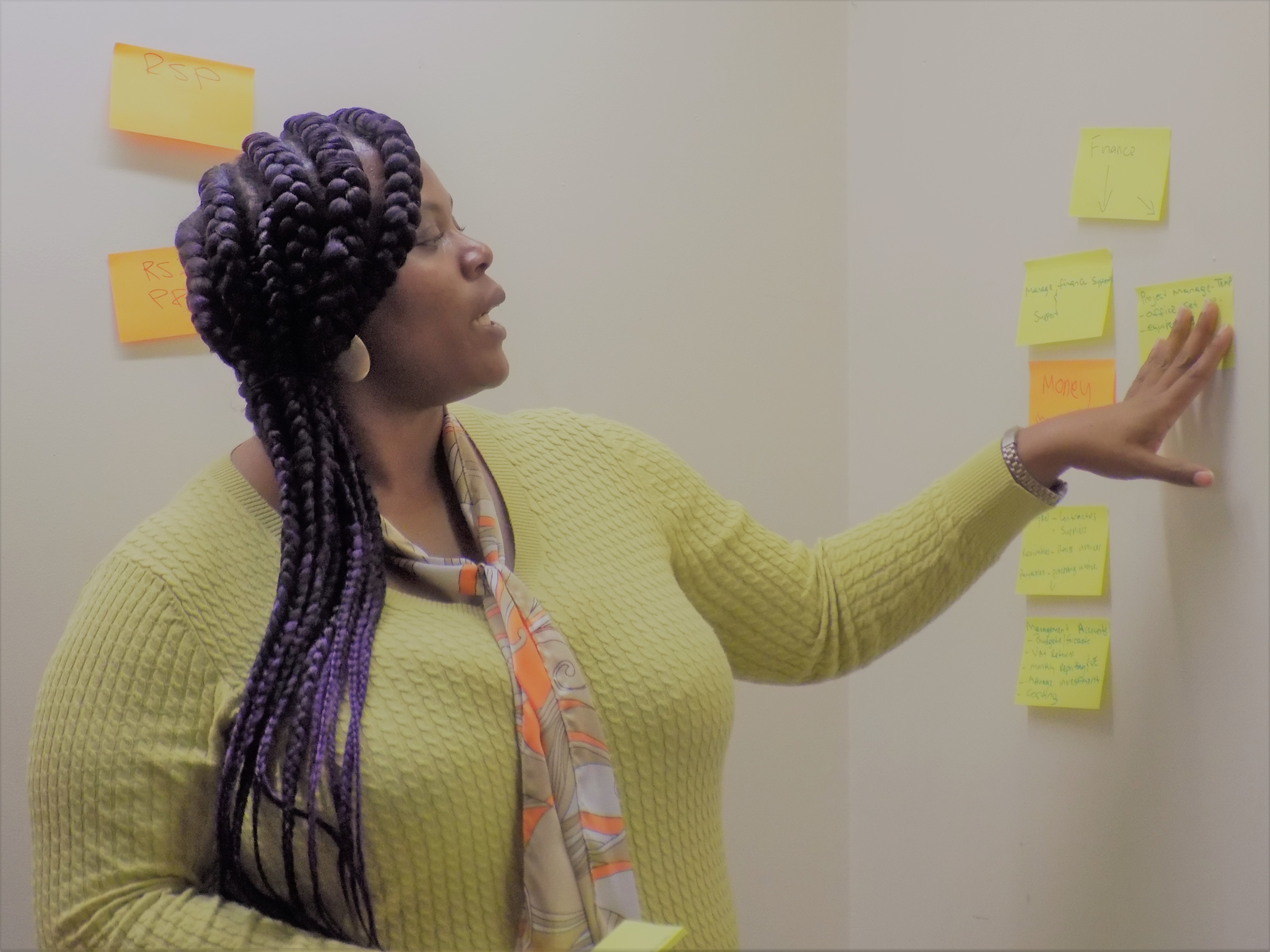
 As many people working in the social enterprise world will know, new opportunities, connections and projects offer both exciting possibilities and an inevitable challenge. For us, the biggest challenge was this: How do we bring our support services into new contexts without compromising our mission? How do we make sure that we are staying true to our values and putting the needs of those we serve first? How do we make sure our whole team collaborates and contributes to our projects and mission?
 So we took the time to envision a life cycle of a typical Kineara project, creating for ourselves a live ‘map’ where we are able to see at what stage each of our team members are needed, what contributions they may make to each phase and how each role intersects with the each other.
 Kineara’s holistic and tailored programme, called
 A reflective approach
 Since completing the
 2. Bullying and peer pressure
 3. Mental health and wellbeing
 4. Hidden or complex challenges
 This reinforces the idea behind the holistic nature of Kineara’s housing support services, which includes advice, guidance and advocacy for all families and individuals we work with on matters of housing, including rent arrears, eviction threats, conditions in the home and more.
 The
The  3. Help them explore their strengths and individuality
 M2E practitioner Davinia says: “Art making has been a useful tool for helping children access and express difficult memories. Using materials that allow a child or young person to make mess, should they want to, creates a freedom to access these memories and to begin to make sense of them.”